A practical guide to choosing the best time for your safari
If you’re planning a safari in Southern Africa, one question usually comes first: when is the best time to go?
For most travellers, the answer is reassuringly clear. The best time for safari in Southern Africa is generally during the dry winter and early spring months — from around June to October. This is when when animals concentrate around reliable water, wildlife movements are predictable, vegetation is thinner, and so visibility improves.
However, “best” is not one-size-fits-all. The right timing depends on what matters most to YOU: peak game viewing, manageable temperatures, combining safari with other experiences, or travelling outside the busiest (and most expensive) months. This guide breaks down the best safari seasons in Southern Africa, explains what each season is best for, and helps you choose the best time based on your priorities and your calendar.
Southern African Safaris
So, When Is the Best Time for Safari in Southern Africa?
For the strongest all-round safari experience, June to October is usually the answer.
Why it’s so rewarding?
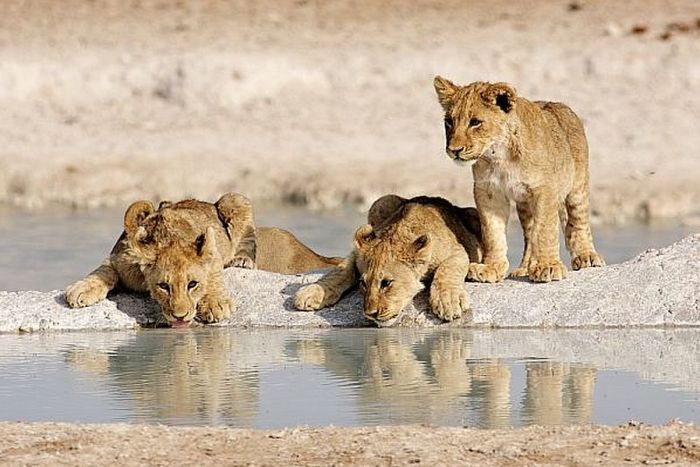
During the dry months, wildlife gravitates toward rivers, pans, and waterholes in order to drink. making sightings more reliable and game drives more productive. Visibility improves as vegetation thins, and cooler daytime temperatures make longer drives and walking activities more comfortable.
You don’t need a roof canopy on your vehicle which can restrict your view – especially important if you’re a keen photographer or birder.
Lower grasses also make walking safaris more viable as it lowers the risk of stumbling upon a dangerous animal unexpectedly. The Dry season is also when some of Southern Africa’s signature experiences shine; including the Okavango Delta in flood, and strong river-based wildlife viewing bymajor rivers such as the Zambezi and Chobe. And it’s also the best time to see Victoria Falls


The trade-offs?
That said, this is also peak safari season in many countries, which can mean:
- In most countries (especially in Botswana, and certain high-demand camps), this also means peak season pricing. The prices generally don’t increase in South Africa. (More on that later…)
- Increased demand for sought-after camps
- Drier, dustier landscapes as winter progresses
- Nights are cold in many regions, particularly South Africa.
Recommendation: If your priority is classic safari conditions and consistently strong game viewing, this is usually the best time to travel.
Contact us to get the ball rolling!
Not sure where to start? Tell us what you have in mind & we'll create a tailor-made itinerary for you
Contact Us NowDownload our Insiders Guide to Zambia Safaris
Major attractions, sample tours & camps, and the low-down on best areas to visit! Get our free guide hereBest time for a Safari: Peak Sightings Season is Spring (Sept to Oct)
During September and October, all the above advantages for the dry winter game-viewing are amplified. So if you’re looking for high-intensity game viewing, spring can be exceptional. Water scarcity builds, and wildlife concentrations can be spectacular — particularly in areas where river systems or permanent water remain dependable. (As most of smaller streams and pans start to dry up.)
It’s an especially wonderful time for South Africa as it is a better time to enjoy the non-safari areas than in the winter months. So it makes for a great varied trip.
See our sister Article: When is the best time to visit South Africa
What to Watch for
As winter shifts into spring, dry-season advantages are often amplified. Water scarcity intensifies, and wildlife concentrations can become exceptional – particularly in areas with permanent rivers or remaining watAs winter shifts into spring, dry-season advantages are often amplified. Water scarcity intensifies, and wildlife concentrations can become exceptional – particularly in areas with permanent rivers or remaining water sources.
For many experienced safari travellers, this is a favourite period thanks to the intensity of the game viewing. However, conditions also become more demanding.
October can become seriously hot in the more northern parts of Southern Africa, such as Zambia and Zimbabwe. (There is a reason why October is colloquially called ‘Suicide’ month in the safari industry, especially in Zambia. Some safari lodges have started to lower prices in October, but not all.)
The trade-offs:
- Very high & humid temperatures, especially in October
- Morning walking activities are often much shorter.
- Even drier, dustier conditions in some reserves – especially noticeable in the Savuti, the Moremi, the Kruger
- Victoria Falls, especially on the Zambian side has a noticeably lower flow rate in October and November. Try to visit the Zimbabwe side.
Recommendation: One of the best times for high-impact wildlife sightings — provided you’re comfortable with heat, particularly later in October.
Also an option if you are wanting to mix a safari with visits to Meditterrean climate regions like the Cape of South Africa which would be enjoying pleasant spring conditions.
Download our Insiders Guide to Namibia Safaris
Major Game Reserves, Sample Tours & Camps, plus the low-down on Best Time to Visit! Get our Free Guide hereWhat If You Can’t Travel in Peak Safari Season?
Not everyone can travel between June and October, and that doesn’t mean you should abandon the idea of a safari either.
Outside the core dry-season months, safari conditions change, but they don’t disappear. Wildlife behaviour shifts, landscapes transform, and certain destinations perform better than others.
Think dramatic landscapes, birds and newborns, fewer people and better-value travel outside peak months.
With the right expectations – and the right locations – travelling outside peak season can be deeply rewarding.
Here’s how the rest of the safari year in Southern Africa typically plays out.
Summer safari
The changeover: Early Summer Safaris (Nov to Dec)
November and early December are transitional months, when the first rains usually arrive. This brings blessed release for the wildlife. And the bush begins to change rapidly.
As fresh grazing appears away from the well-trodden areas around rivers and waterholes, the wildlife starts to spread out. This can make game viewing less predictable than in the dry season – particularly in large, unfenced reserves across Botswana, Namibia, Zambia and Zimbabwe.
But it is very noticeable in places like Etosha National Park, Hwange or the Okavango Delta, where the wildlife migrate to new grazing areas.
South Africa
In South Africa, , the impact of early rains is often less dramatic. Here game reserves such as the Kruger and Madikwe and private game reserves in the Sabi Sands , Timbavati and Eastern Cape are all fenced with a good network of roads. November and early December can therefore work very well if you’re planning a combined safari and scenic touring holiday.
Thinking of doing a luxury South African Safari
Tell us what you have in mind & we'll create a tailor-made itinerary for you
Contact Us NowUpsides
- Lower safari rates typically begin in November (Southern Africa, not South Africa).
- Landscapes turn greener almost overnight
- Newborn animals begin to appear
- Birding improves as migratory species arrive from Europe.
- Plus, if you visit at the start of November you may be lucky and arrive before the rains!
Recommendation: A lovely time if you’re realistic about your sightings and value greener landscapes, babies, and birdlife. Also a great time to come if you are balancing a safari with other scenic delights.


Best Time for Safari – Green Season Safaris (Jan to March)
The green season is Southern Africa at its most lush and atmospheric. Rainfall refreshes the landscape, skies are dramatic, and many animals give birth during this period.
From a safari perspective, this is a different style of experience, rather than a lesser one.
What the green season is best for:
- Butterflies, flowers and colourful insects.
- Photography, especially at dawn and sunset
- Birding, with migratory species in breeding plumage
- Baby animals and seasonal wildlife behaviour
- Fewer vehicles and a quieter feel
- Excellent value in many countries
Heading to South Africa during our Summer Green Season?
Sounds like a great idea! Tell us what you have in mind & we'll create a tailor-made itinerary for you
Contact Us NowReality check for game viewing
Vegetation is denser and wildlife more dispersed, so this usually means you’ll work a bit harder for your game sightings.
Rain typically falls as short, heavy downpours – often in the afternoon, rather than continuous drizzle. The afternoon rains bring slightly cooler weather – you might even need a sweater after the rains – though days are hot and sunny.
Practical notes
It’s also worth noting that some camps in flood-prone regions of Zambia and Zimbabwe – such as Mana Pools, Lower Zambezi, South Luangwa and the Busanga Plains of Kafue – close during the wettest months. This is typically from December to April/May.
Similarly parts of northern South Africa – around the Kruger – can occasionally experience heavier rainfall in January or February.
Mosquitoes could be a problem for some people. It is also hot and humid, though much cooler during and after the rains.
Recommendation:
Best suited to travellers who value atmosphere, photography and birdlife — and who are not chasing the most intense dry-season game density.
Great time to have an escape the winter trip to Cape Time and the Winelands. But choose your safari destination wisely. We recommend the Eastern Cape or Welgevonden. However, if you are coming to Southern Africa ONLY for a safari, consider travelling at a different time. Unless you are a keen birder.
Shoulder Season Sweet Spot: April to May
As the summer rains ease, usually from late March onward, safari conditions begin to shift again.
Vegetation remains fresh, but wildlife gradually starts returning to rivers and permanent water sources. Sightings become more consistent than during peak green season, while camps are often quieter and rates more attractive than later in the dry season.
This period offers:
- Improving game viewing
- Comfortable temperatures
- A more exclusive feel
- Better value than peak season
Recommendation:
April and May are often considered a sweet spot — ideal if you want improving safari conditions without peak-season pricing or pressure. Plus a reasonable time to combine with a sight-seeing or active holiday in the rest of South Africa or Namibia.

Download our Guide to Botswana Safaris
Major Game Reserves, Sample Tours & Camps, plus the low-down on Best Time to Visit! Get our free guide hereChoosing the Best Time for a Safari Based on Your Priorities
Dry season (Jun–Oct) brings the most consistent game viewing
Spring (Sept-Oct) can deliver spectacular concentrations – with rising heat
Early summer shifts wildlife patterns as rains arrive. But good to combine with scenic touring in South Africa
Green season (Nov-Mar) suits birding, photography, with babies and fewer crowds
For a quieter sweet spot: April to May, also ideal to mix with scenic touring in Namibia and South Africa
If your dates are fixed, use our broader seasonal explainer & month-by-month planner to match the right destination to your month of travel.
Good to Know
- “Best” depends on whether you’re prioritising game density, weather comfort, value, or birding.
- Some seasonal camps may close in the wettest months in parts of Zambia/Zimbabwe.
- If your trip includes South Africa touring (Cape, Garden Route), seasonality works differently — see our South Africa guide.
Useful Resources
Sometimes you want or have to visit outside of the peak safari time. If so, check out our page on Green Season Safari suggestions for the best places for a safari during those months.
A very broad rule, we recommend visiting South Africa in such cases.
Many people come to South Africa to enjoy a varied holiday with safari being only one component.
Related Blog Posts
And what about the East Africa safari season?
Much of what we have said also holds for East Africa. But because of their two rainy seasons, and the strong pattern of widldbeest & zebra migration, you might want delve a little deeper. Take a look at our page about the
East Africa and Southern Africa safaris – what’s the difference?
When is the best time for safari in East Africa
Get our Wildebeest Migration Guide
How the great migration of wildebeest and zebra moves month by month… Get our complimentary guide herePlan Your Southern Africa Safari with Confidence
Understanding the best safari season in Southern Africa is only the first step. The real magic lies in matching the right destinations, camps and experiences to your travel style, interests and timing – whether that’s peak dry-season game viewing, a greener shoulder-season safari, or a carefully balanced journey that combines wildlife with culture, scenery or river-based experiences.
Get a tailor-made proposal
If you’re still weighing up dates, destinations or travel styles, our team is happy to help you refine your plans — and ensure your safari takes place at the very best time for you.
Contact Us Now“When is the best safari season in Southern Africa” was written by Mila at Cedarberg Africa
Cedarberg Africa has with extensive experience planning tailor-made journeys throughout Southern Africa. Our team regularly travels through the region, staying at the lodges we recommend and tracking how seasonal changes affect wildlife, landscapes and overall safari experiences – so our advice is always grounded in first-hand knowledge.