Late July, August & September – The river crossings
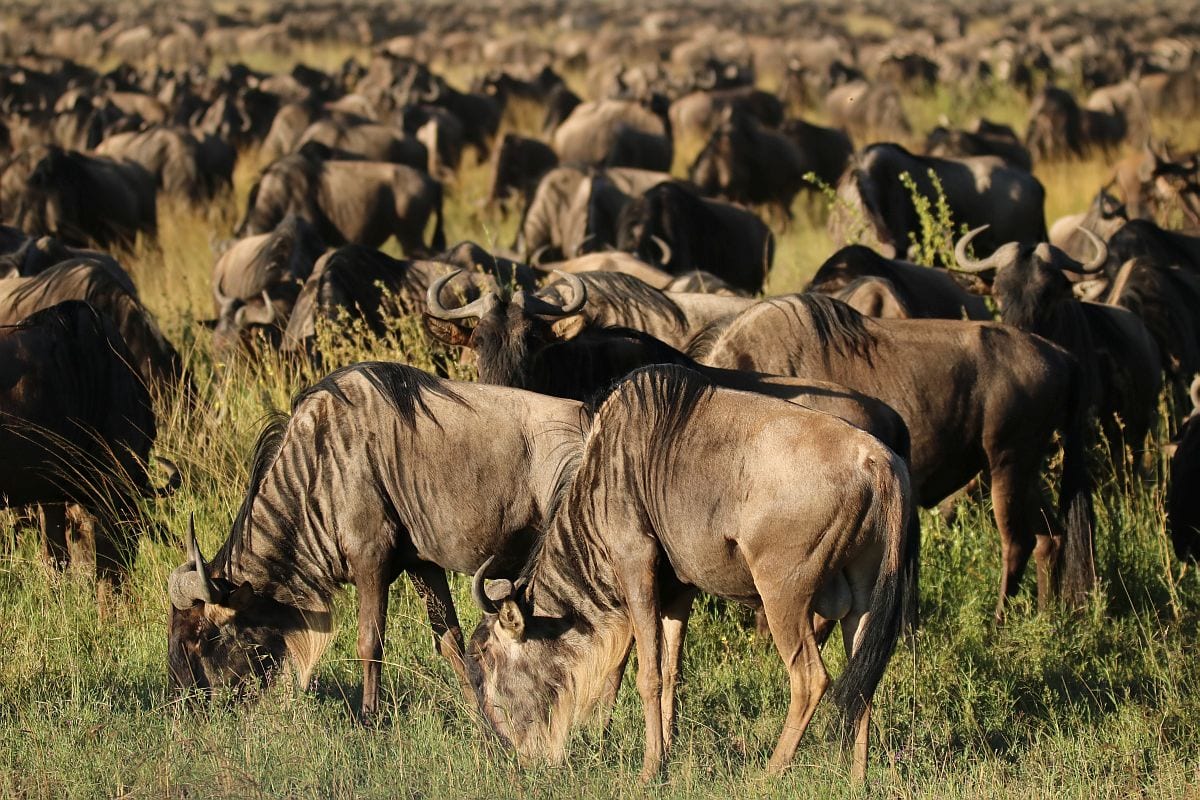
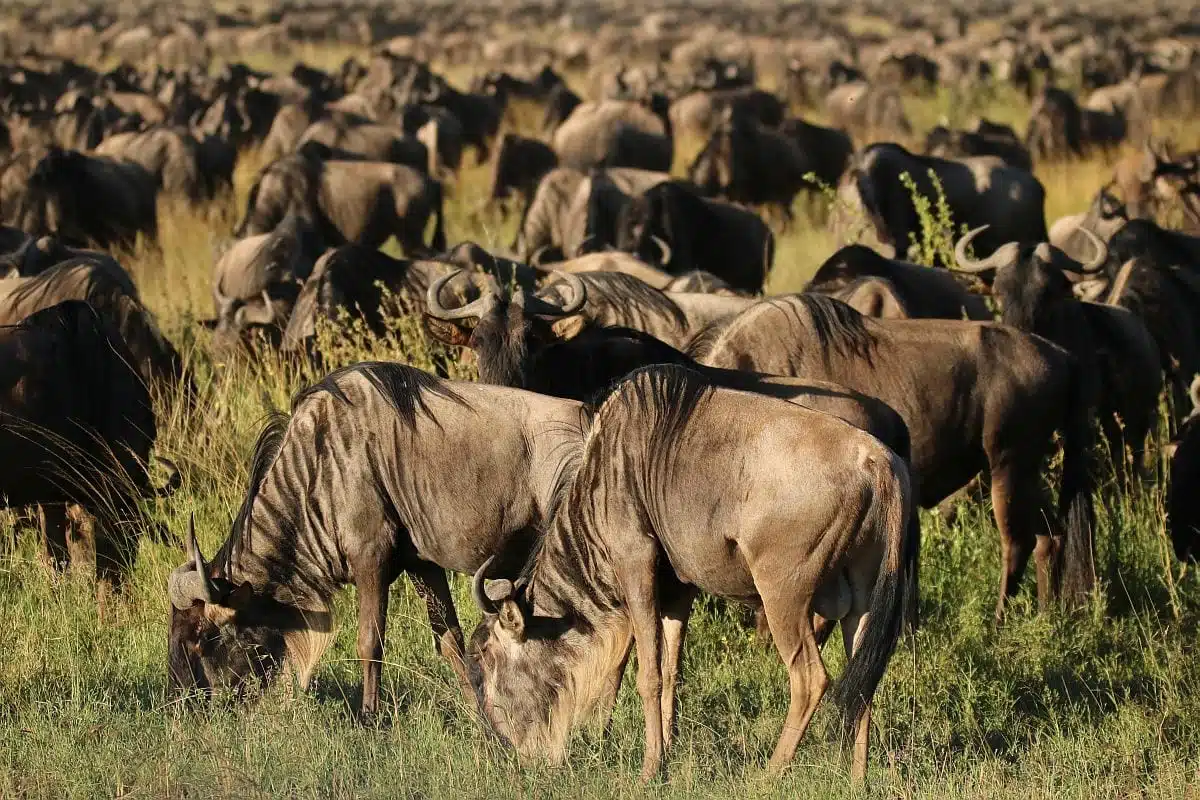
Many people want to see the dramatic river crossings when the columns of wildebeest and zebra scramble their way across the Grumeti and Mara rivers to reach the richer grazing lands of the Masai Mara in southern Kenya. The animals mill around for a while on the southern banks before suddenly one brave wildebeest takes the plunge into the river current. Then thousands follow in a dramatic watery stampede. Some do not make it.
Note: However it is difficult to say this is the best time for the wildebeest migration. It is touch and go that you will be able to actually witness one of the crossings as their timings vary dramatically from year to year depending on the rains. In dry years, many of them do not even cross into Kenya. Your best bet is to stay for 3-4 nights to maximize your chances.
Get the ball rolling to plan a bucket list experience!
Not sure where to start? Tell us what you have in mind & we'll create a tailor-made itinerary just for you
Contact Us NowJuly to October/November – Northern Serengeti & Masai Mara
Once safely across the wildebeest, zebra and gazelles spread out across the plains as far as the eye can see. They come to give birth to their young and the grasslands echo with the sounds of the new-born. These are good times for the many, but not for all. Predators are naturally drawn into the Mara with lion, cheetah, leopard and hyena all on the hunt.
Most of the year the best time for the wildebeest migration and game-viewing in the Masai Mara is in the Greater Mara areas. This is because there is a balance of cattle and wildlife in these areas – the cattle keep the grass short and green which the plains game prefer. And the predators follow the plains game.
However between August and October, during the migration season, good game-viewing becomes possible throughout the whole Masai Mara area and northern Serengeti, as the million of wildebeest and zebra “mow” the grass down, making it palatable even in the normally long grass areas.
November to December – The migration heads south, more spordically
As the fresh green grasses of the Masai Mara are mown down by the game, and the dry season continues, the wildebeest, zebra and gazelles start to return south. They recross the rivers and head back into Tanzania especially once the short rains begin again in November. (Which heralds lush green grass).
Sometimes you get brief periods of rain before the real ‘short’ rains begin. In this case the animals do not carry on moving south and may move back into the Masai Mara until they are sure of rain further south. This uncertainty means that the return migration is not so dramatic as the animals don’t move en masse. It is also even less predictable.
West of Serengeti National Park lies the Loliondo Game Controlled Area which belongs to the Maasai tribes who live there. This is still part of the Serengeti eco-system and has plentiful stocks of permanent game. It experiences this return migration. Between September and November you can see the migration here as it returns south. We recommend Nduara Loliondo Camp, Klein’s Camp and Suyan Camp.
Then the cycle begins all over again.