Last Updated:

Why book Safari Travel Insurance?

Travel insurance for african safari

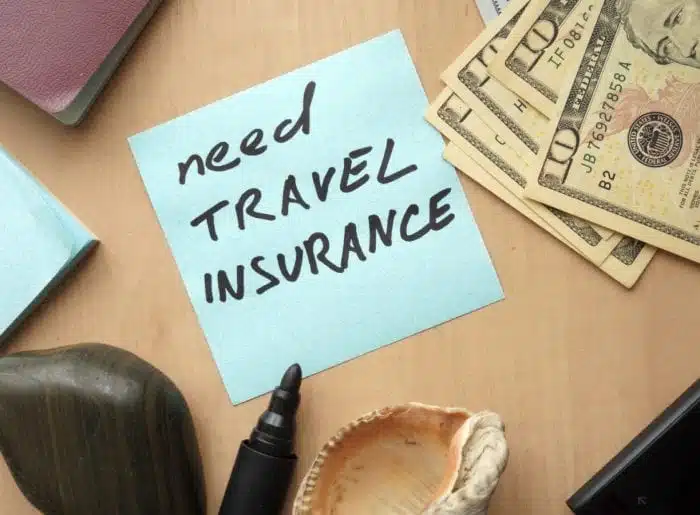
Travel insurance may not spark wanderlust, but it can save your safari, and your sanity. The two non‑negotiables are medical & evacuation cover and cancellation/curtailment protection. Africa’s remoteness, private medical costs, and strict cancellation terms mean skipping insurance is a gamble rarely worth taking.

Why Safari Travel Insurance Deserves Your Attention

We’ll be honest: travel insurance is not the bit of trip planning that makes our hearts beat faster. No one has ever said, “I can’t wait to choose my policy limits.” And yet: ignore it at your peril.

As African safari operators, we understand how it can happen that our clients come on safari without adequate travel insurance. You have already spent a lot of time planning your (usually) expensive safari. So the last thing you want to do is to add another, far less enticing expense on top of that. So you put it off and then somehow it doesn’t happen.

And we’ve seen first‑hand how assumptions (“my credit card covers me” or “my health insurance is worldwide”) unravel at precisely the wrong moment.

It genuinely scares us legless when clients travel without adequate cover. You’ve invested time, money, and anticipation into a safari. Why leave it exposed over something relatively small?

So make sure that your insurance does what you expect it to!

The Two Most Important Aspects of Travel Insurance:

We might think it’s blindingly obvious!  Plenty of policies come with bells, whistles, and fine print. But for an African safari, two elements are critical:

  1. Medical expenses, emergency evacuation and repatriation – if you have an accident whilst on safari or a medical emergency. Yes, it can happen, even if it’s just falling down some stairs and breaking something.
  2. Cancellation and curtailment cover, due to legitimate reasons, such as an important health condition or something happening to a close relative back at home.

Everything else – lost luggage, broken sunglasses, delayed flights – is useful, but not deal‑breaking. These two are.are.

1. Medical Expenses & Emergency Evacuation in Africa

Is it likely you’ll need serious medical care in Africa? No. Is it possible? Absolutely.

We’ve had clients involved in car accidents, suffer falls, experience heart attacks, strokes – and over 30 years of operation, occasionally worse. These things can happen anywhere. The difference is that in Africa, they may happen far from major hospitals.

Sometimes the safest option is helicopter evacuation to a private medical facility. Or even repatriation home, after triage. Without comprehensive travel insurance which specifies medical insurance, these costs land squarely on you.

And while public hospitals or local clinics exist, most travellers understandably prefer the best private medical care available. Good travel insurance usually liaises directly with hospitals, sparing you both stress and upfront payments when you least need them.

(Often the Insurance company gets involved whilst you are in hospital so that any expenses are sent directly to them.)

2. Cancellation & Curtailment: The Silent Budget Killer

What if you fall ill before departure? Or a close family member does? If this happens close to your travel date, you could already be in the 100% cancellation zone. Meaning you pay for the entire safari but never get to enjoy it.

Africa is particularly unforgiving here. Safari camps are small, often booked months, or over a year in advance, and rarely able to resell rooms at short notice. As a result, 100% cancellation fees commonly apply 30-45 days before travel, sometimes even earlier.

If you’re injured during your trip – or need to return home urgently due to a close relative falling ill – curtailment cover becomes equally vital. All perfectly possible scenarios.

Important note: Only defined close relatives (such as a spouse, dependent child, or parent) usually qualify for cancellation claims. Extended family typically does not unless you’ve purchased expensive “cancel for any reason” cover – see later.

Other Benefits

There are other benefits of travel insurance, such as compensation for flight delays, claiming for lost luggage or lost items etc. But frankly these costs are nothing compared to thousands spent on medical fees or the loss of your whole safari.

Types of safari - horse riding safari

What About ‘Cancel for Any Reason’ Insurance?

This option exists, but it comes at a price, typically 6–7% of the total trip cost. It can be worthwhile if you anticipate potential business issues, or personal uncertainties, but it’s not universally available and should be considered carefully.

Think about whether it is highly likely that you may need to cancel for a reason that’s not typically covered.

Common Assumptions (and Why They’re Risky)

“My credit card will cover me”

Maybe. Are you sure about that? But often only in a limited way. Comprehensive travel cover usually requires opting in – and paying extra i.e. getting their travel insurance. Never assume. Always check.

Note: You will also be asked by your safari operator to provide details of your travel insurance. So you will need to find this out well before travel.

“I have worldwide health insurance”

That may cover medical care, but is it the best safari travel insurance? Does it cover cancellation fees, evacuation logistics, or early return costs? If not, you’re still exposed.

I cannot answer this for you as it depends on your attitude to risk.

Just know that you are usually into major cancellation charges from when you pay the final balance approximately 2 months prior to travel. And this increases to 100% cancellation charge within 30 days prior to travel.

By the way, these timings are NOT set by your safari operator. It is usually dictated by the end supplier such as the safari camps themselves. (Unlike city hotels, most safaris are booked months in advance – not last minute –  so they are highly unlikely to be able to fill a cancelled room.).

“It’s too expensive”

Some policies are. But many offer flexible combinations. It depends on your country of residence. Some offer full medical cover with capped cancellation benefits (which may only cover some of the safari price). This shares the risk more. But they are far more affordable, and you don’t lose your entire holiday investment.

“I’ll arrange it nearer the time”

This is a classic  -and costly – mistake. Buy insurance at the time of booking so you’re covered from day one, including for your safari deposit. That way you get the maximum benefit from it as you are covered for unexpected cancellation from the start.

Otherwise, fate has an uncanny habit of intervening (often involving bicycles and broken limbs – speaking from personal experience). Wouldn’t it be galling if you had simply not got around to it!

A Vital (and Slightly Sobering) Tip:

Please don’t just tell your travel specialist that you’re insured—share the full details before you travel, on the booking confirmation form. And definitely prior to travel!

In one instance, a couple travelling in a remote part of Africa were involved in an accident. They were unable to communicate, their family was in a different time zone and not answering our calls. Urgent medical evacuation decisions had to be made. Because their insurance details were already on file, we were able to liaise immediately with insurers, medical teams and authorise emergency evacuation without delay – from one country to another. It made a critical difference at a moment when minutes mattered. And with no out of pocket expenses needed by the client.

This is the less glamorous side of safari planning – but it’s also where experience counts most.

Without insurance authorisation, even life‑saving actions can be delayed. This is not paperwork for paperwork’s sake. It’s potentially critical.

In Summary: The Unsexy Essential

It’s simple really – GET TRAVEL INSURANCE!

Travel insurance may not be thrilling, but it’s fundamental. You need protection against:

  • High medical and evacuation costs
  • Severe cancellation and curtailment charges

And your travel specialist needs your insurance details well before departure.

Bottom line: book the safari of a lifetime—then insure it properly.

Note on Safari Operators (like us)

Though things rarely go wrong, sometimes they do. An aged mother falls dangerously ill. You trip and break a hip, ending up in hospital.

Or your safari lodge is flooded due to unnaturally high rain, and you need to change plans at the last minute.

These are some of the myriad reasons why using a travel specialist on the ground is vital. So you can travel with confidence, knowing you’re not navigating the unexpected alone.

Check out our page on Why Use a Safari Specialist.

Plan Your Safari with Confidence

Speak to our team as you finalise your safari with us. We’re always happy to sanity‑check your cover.

  • Start with a conversation about where, when, and how you want to travel
  • Draw on our three decades of on-the-ground experience to shape the right itinerary
  • Make sure the practical details – insurance included -are properly in place
  • Travel with the reassurance that expert support is there if things don’t go 100% to plan

For many travellers, the greatest luxury is not thread-count or fine wine—it’s peace of mind. Knowing that if something unexpected happens, there is a calm, experienced team already thinking three steps ahead. Over the years, we’ve had to sometimes put that experience into action.

For over three decades, Cedarberg Africa has been designing thoughtful, well-considered safaris across Southern and East Africa. Smoothing logistics, anticipating risks, and stepping in decisively if needed. So you can focus on the experience itself, not the what-ifs.


Why book Safari Travel Insurance was written by Kate of Cedarberg Africa

Kate co‑founded Cedarberg Africa in 1995 with her sister Ginny and has lived in South Africa for over 30 years. She has explored the continent extensively, from climbing Kilimanjaro to pioneering self‑drive safaris in the 1990s. With decades of hands‑on experience handling both dream trips and real‑world emergencies, Kate understands exactly why the right travel insurance is as important as the perfect lodge.

Share this article