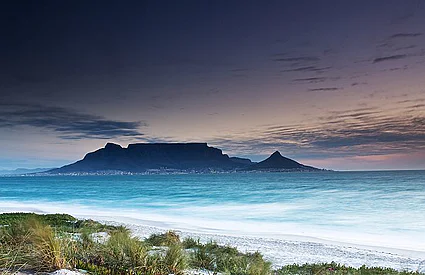
The tropical gardens and infinity pools of chic luxury resorts in Mauritius give way to dazzling white sands lapped by azure waters. Add in five-star hospitality, a vibrant cultural mix and striking scenery, and it’s easy to see why Mauritius remains one of the Indian Ocean’s most appealing islands.
Mauritius sits in the heart of the Indian Ocean, around 1,000 kilometres east of Madagascar, and offers a remarkable variety of scenery within a compact island. A coral-fringed coastline wraps around soft white beaches, pretty bays and shimmering azure-blue lagoons, while inland the landscape rises into jagged mountains, forested gorges and lush green swathes of sugar cane.
Mauritius’ coral reefs form a near-continuous natural barrier creating a series of calm, crystal-clear lagoons that define the Mauritian beach experience. So Mauritius holidays offers safe, sandy beaches and superb water sports on calm waters. The transition from shallow lagoon to open ocean is seamless. Scuba diving and snorkelling reveal healthy coral reefs, while beyond the reef lie some of the Indian Ocean’s best deep-sea fishing grounds.
Most resort hotels offer a wide range of activities for beginners and experts alike. From kayaking and sailing to windsurfing and kitesurfing, with many non-motorised sports included at most resorts. For those who prefer a gentler pace, catamaran cruises, glass-bottom boat trips, snorkelling and even weighted helmet diving offer easy ways to explore the underwater world.
World-class Hospitality in a True Cultural Mosaic
What truly sets Mauritius apart is its people, justly famed for their top-notch hospitality and friendliness. Nothing is too much trouble in this harmonious cultural melting pot, shaped by African, Indian, European and Chinese influences, all coexisting with warmth and ease.
Hindu temples, churches, mosques and pagodas are often found within minutes of each other — and all actively used. Plus the calendar is punctuated by colourful religious festivals that add rhythm and interest to island life.
Strategically positioned in the Indian Ocean, Mauritius was a seafarer’s crossroads. Shaped by Dutch, French and British rule, the layered history of Mauritius is still reflected in place names, architecture and cuisine.
More than just Beaches: Inland Treasures to Explore
Away from the coast, Mauritius reveals another side entirely. It is one of the Indian Ocean’s most varied islands for active exploration.
Much of the island’s lush interior was once dominated by sugar plantations, many of which have been thoughtfully reimagined as nature reserves, golf estates or scenic walking areas. Hiking trails wind through the Black River Gorges National Park, waterfalls tumble into forested gorges, and viewpoints offer sweeping vistas across the island.
Combined with excellent shopping, lively markets and a thriving food scene in in Grand Baie or Port Louis, Mauritius rewards those who look beyond the beach.
Regions of Mauritius
Although compact, Mauritius feels surprisingly varied, with each coastline offering its own rhythm, scenery, and seasonal advantages.
Aerial view of idyllic tranquil sea island deep blue turquoise water, Nature landscape
Long, elegant beaches, cooling trade winds and some of the island’s finest golf courses define the east coast, where Belle Mare and Île aux Cerfs offer refined luxury.
The north coast combines some of Mauritius’ best soft white beaches with the easy energy of Grand Baie - the island’s most sociable resort town - and a hub for dining, shopping and diving.
Sheltered lagoons, warm winter weather and memorable sunsets make the west coast ideal for relaxed beach stays, with easy access to the island’s wilder interior and Le Morne’s dramatic scenery.
Frequently Asked Questions about Mauritius
Is Mauritius suitable for families and couples alike?
Yes. Mauritius works equally well for families, honeymooners and multi-generational travellers, with diverse resorts and activities to suit all ages and interests.
When to visit Mauritius?
While Mauritius can be enjoyed year-round, choosing the right coast for the season makes all the difference. Temperatures remain warm throughout the year as it’s a with a tropical climate moderated by ocean breezes. The north-west and west coast is warmer and more protected in winter, whilst the trade winds pleasantly temper the heat of the summer on the east coast. See more below.
Do you need to leave your resort to experience Mauritius?
While resorts are wonderfully self-contained, exploring markets, villages and inland landscapes adds depth and context to your stay. You can rent a car or hire a private driver.
Is Mauritius just a beach destination?
Not at all. Alongside its beaches, Mauritius offers hiking, culture, golf, waterfalls and excellent food so it is one of the Indian Ocean’s most varied islands.
Let our travel specialists design a Mauritius holiday that matches your travel style, season and interests.
Mauritius has a tropical climate and is a year-round destination. This is the height of summer in Mauritius, with high humidity and daytime temperatures often reaching 29–30°C. Short, heavy rain showers are common, particularly from January to March, when tropical cyclones are most likely (though direct hits are rare).
Despite this, the island is lush and vibrant, and this season can suit peoples who enjoy tropical heat and fewer crowds. We recommend the Mauritius East Coast if you don’t like it too hot, as the trade wind breezes offer some relief.
A lovely transitional period, with rainfall decreasing and temperatures remaining warm to hot, and more comfortable. The landscape is still green from the summer rains, and conditions are generally calm across the island. In the north and west of Mauritius, hours of sunshine remain fairly constant during the year.
May in particular is an excellent month to visit, offering good value, pleasant weather and calm seas Plus it pairs well with an early safari in Southern Africa.
Mauritius’ winter is drier and slightly cooler, with daytime temperatures varying depending on where you stay. Any rain is usually in the form of thunderstorms or quick downpours which don’t last long. Trade winds are at their strongest, blowing from the south-east, which means conditions vary noticeably by coast.
During this period, we recommend the west coast of Mauritius and north-west coast, if you are seeking sun and beach, as they’re warmer (26-27°C) and more sheltered. The east and south-east can feel cooler (around 24-25°C) and breezier, particularly for sunbathing.
Temperatures rise steadily, rainfall remains low, and the island feels fresh and uncrowded. October is particularly appealing, with warm days, calm seas and excellent visibility for snorkelling and diving.
By late November, humidity begins to increase, and short rain showers become more frequent. But usually brief and refreshing rather than disruptive. Plus it’s warm to hot and nature is in full bloom.