Unforgettable wildlife, glorious scenery and fabulous tropical beaches, all in one country. From the wildebeest migration to palm-fringed beaches, explore Kenya safaris shaped by deep local knowledge and careful lodge selection.
Kenya is arguably the classic safari destination. With landscapes evoked by unforgettable film scores, powerful novels and wildlife documentaries: from the adventure, scenery and romance of Out of Africa to the drama of the Big Cat Diaries.
But Kenya does not stand still in nostalgia; it continues to deliver variety, drama, and scale like nowhere else. It’s the country that gave us the word safari, borrowed from Swahili for “journey”, and it remains one of Africa’s richest places to experience what that journey can mean.
From Savannah to Sea: Kenya in All Its Variety
Few destinations combine such contrasting landscapes so seamlessly. Vast savannahs alive with big cats. Snow-capped Mount Kilimanjaro rising improbably behind elephant herds. Arid northern plains where wildlife and the Samburu culture are inseparable. And, at the journey’s end, warm Indian Ocean waters and palm-lined beaches. A Kenya safari moves naturally between these worlds.
Some travellers worry about crowds, particularly in well-known reserves. It’s a valid concern. And exactly why we work differently. We focus on smaller camps, private conservancies, and lesser-visited regions where vehicle numbers are lower and experiences more flexible. Many of these conservancies border national parks, offering access to headline wildlife areas while allowing walking safaris, night drives, natural community interaction and a tranquil safari rhythm.
This is Kenya experienced with depth: thoughtful guiding, strong conservation partnerships, and the freedom to explore as you wish. Whether that’s tracking big cats at dawn or swapping binoculars for bare feet on the coast.
Kenya’s Wild Places, Each with a Story
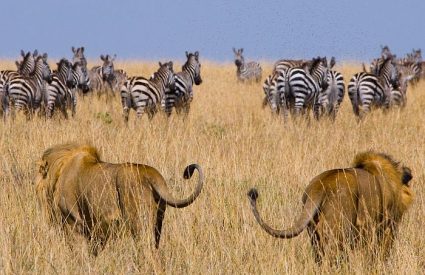
Masai Mara – Kenya’s most famous plains, where big cats reign and the annual wildebeest migration brings raw energy to an already wildlife-rich landscape.
Amboseli – Famous for its vast and iconic elephant herds set against the snow-capped backdrop of Mount Kilimanjaro.
Samburu – A rugged northern wilderness where rare species like Grevy’s zebra and gerenuk share the stage with Samburu culture to shape a safari experience unlike anywhere else in Kenya.
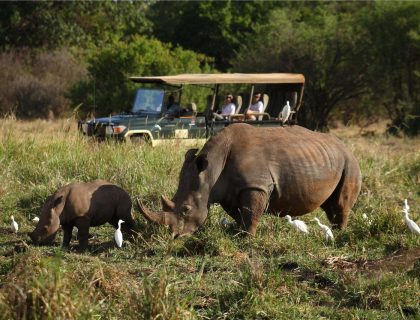
Laikipia – Exclusive private conservancies offering freedom and flexibility, from walking and horseback safaris to intimate encounters with rhino and lion.
Lake Naivasha & Rift Valley Lakes – gentler side of Kenya, rich in birdlife and volcanic scenery, where hippos surface at dusk and flamingos gather in their thousands.
Meru National Park – A quietly beautiful wilderness of rivers, doum palms, and wide-open spaces, offering rewarding game-viewing well away from Kenya’s busier parks.
Kenyan Coast – An easy shift from safari to sea, with white-sand beaches, Swahili heritage, and the warm waters of the Indian Ocean.
Frequently Asked Questions
Is Kenya suitable for first-time safari travellers?
Yes, Kenya is a wonderful 1st-time destination where you can combine 2 or 3 safari regions with some R&R on the beach at the end.
How easy is it to combine a Kenya safari with a beach holiday?
Yes, there are direct flights from the Masai Mara to the coast (Diani Beach or Mombasa for Malindi and Watamu. Amboseli is also connected with direct flights on selected days, or via a simple change in Nairobi.
Which Kenya regions work best for walking safaris or active travellers?
There are plenty of options if you stay in Masai Mara’s private conservancies. But generally Laikipia conservancies offer the most scope for the active.
Let us help you explore Kenya beyond the obvious - with carefully chosen camps and regions that suit your interests
Why We Love It
The wildebeest migration in the Masai Mara remains one of Africa’s most compelling wildlife spectacles
Easiest destination to combine ‘bush and beach’
Offers first-class game-viewing, plus white sandy beaches and warm tropical oceans
Equatorial location means warm, pleasant conditions during prime safari seasons
Wide range of well-run camps and lodges, from classic safari properties to coastal hideaways
Strong infrastructure makes travel efficient without sacrificing depth of experience
Due to its position on the Equator, the climate in Kenya is tropical with little overall seasonal variation in temperature. Rainfall is the greater differential. However Kenya does have three climatic zones. Broadly hot and humid on the coast. Hot and arid in the north and more temperate in the west and south-west where the higher altitude mitigates the temperatures.
The summer is fairly dry and is the hottest season. The prevailing winds come from Arabia to the north (called Kaskazi).
The prevailing winds change and blow cooler, wetter weather in from the Indian Ocean. This brings the start of the “long rains” mid-March and this is the wettest time throughout Kenya. Many camps close during this time as park roads can become difficult to navigate.
This is the start of the long dry season which is also considered the best time to visit. The wildebeest migration crosses over from the Serengeti into the Masai Mara somewhere between mid-July and August so this is the peak safari season and peak time for visitors as well.
Again a change in prevailing winds heralds the second rainy period, the 'short rains', from mid October to early December. However the rain mainly takes the form of downpours or thunderstorms in the afternoon or evening, so it is not too disruptive to safari activities.